
Research & Insights

llm evaluation framework

LLM Evaluation Framework for Production AI Systems: Datasets, Evals and CI Gates

An LLM evaluation framework is the system used to determine whether a change to an AI application is safe to release. It combines versioned test datasets, deterministic and model-based graders, component and end-to-end evaluations, release thresholds, CI/CD gates and production monitoring into a repeatable engineering process. That distinction matters. Running a few prompts against a

LLM Evaluation Framework for Production AI Systems: Datasets, Evals and CI Gates Read More »

mcp client vs server

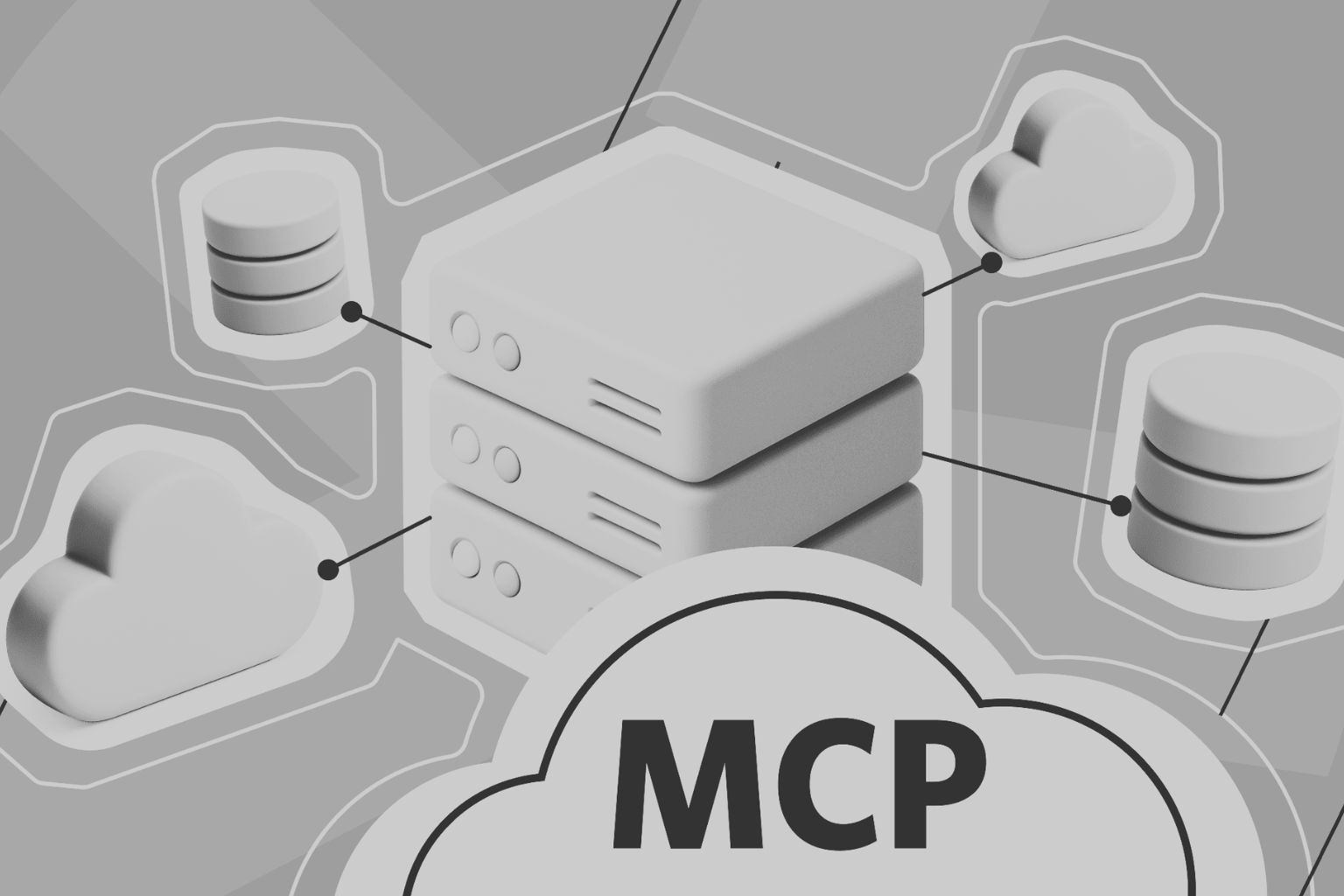
MCP Client vs Server: How Model Context Protocol Architecture Works

Model Context Protocol (MCP) is often described as a client-server protocol, but that description leaves out one of the most important parts of its architecture: the host. Understanding the difference between an MCP host, MCP client and MCP server matters when you start building real AI systems. Each component owns a different part of the

MCP Client vs Server: How Model Context Protocol Architecture Works Read More »

private ai architecture

Building a Private AI Architecture for Enterprise AI Workloads

A modern private AI architecture can run on-premises, inside a private cloud or VPC, or across a hybrid environment that keeps sensitive workloads private while selectively using external AI services. The right architecture depends on what needs to remain under your control: data, model inference, embeddings, keys, administrative access, network traffic, logs and AI actions.

Building a Private AI Architecture for Enterprise AI Workloads Read More »

Scroll to Top